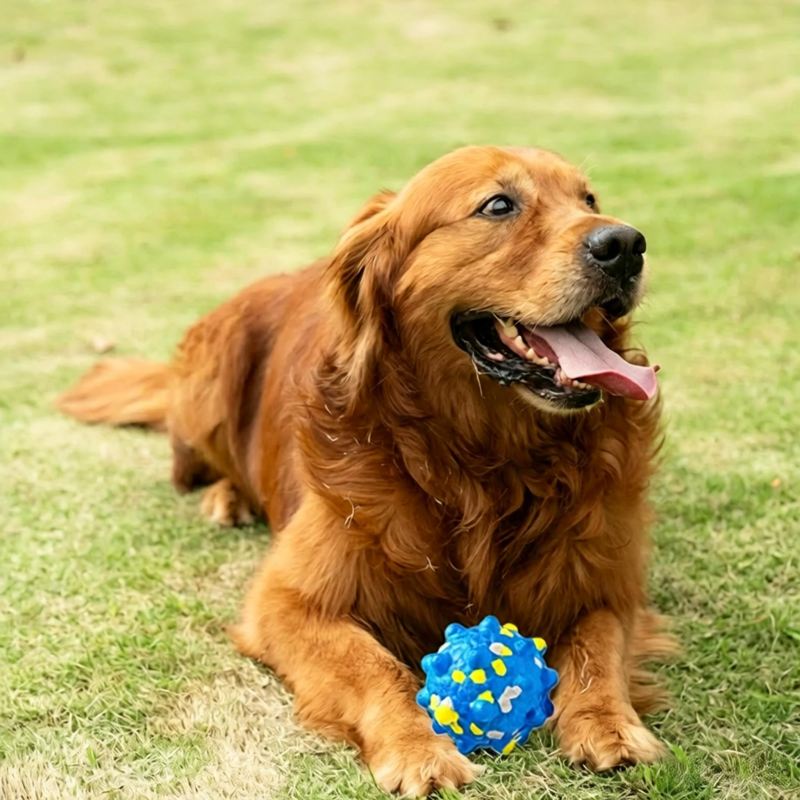
The specifications of pet toys-including size, weight, shape, target pet type, and durability-are crucial factors influencing product suitability and the user experience. Given the variations in body size, age, bite strength, and activity habits among pets, there are no universal standards for pet toys; instead, designs must be tailored to specific needs. For instance, small dogs and cats are better suited to smaller, lighter toys, whereas large dogs require larger, sturdier, and more chew-resistant options.
Regarding size, pet toys are typically categorized based on the pet's physical size. Small toys are generally appropriate for puppies, kittens, and smaller pets, making them easy to grasp, push, and chew. Medium-sized toys suit most adult pets, catering to daily interaction and entertainment needs. Large toys are designed specifically for large dogs or pets with strong bite forces, requiring greater volume and structural integrity. Appropriate sizing not only enhances the pet's comfort during play but also prevents safety hazards, such as accidental ingestion caused by toys that are too small.
Weight and structural strength are also key parameters. A toy's weight should match the pet's strength; a toy that is too light may fail to satisfy interaction needs, while one that is too heavy could negatively impact the user experience. For teething and chew-resistant toys, factors such as material thickness, tear resistance, and pressure tolerance are critical to ensuring durability during prolonged use. Additionally, surface textures, grooves, and shapes influence a pet's interest and the toy's overall effectiveness.
Pet toy specifications also encompass safety dimensions and functional design requirements. For example, toys designed for young pets must avoid small parts that could be accidentally swallowed. Plush toys require adequate stuffing and secure stitching, while interactive toys need operational structures suited to the pet's range of movement. Specifications also vary according to the toy's function-such as teething, puzzle, chase, or training toys-to align with their intended use.